


Quick Answer: Child Anxiety Hypnotherapy pairs imaginative play with somatic calming to settle an overactive nervous system. Kids practice stepping out of fight-or-flight loops before the morning bell rings, giving them real physical relief that standard reassurance can’t match.
The alarm rings at 6:45 AM, and the complaints start three minutes later: a tight throat, nausea, or a sudden, sharp stomachache. By 7:30, your child can’t find their shoes, tears hit the kitchen counter, and the yellow bus is already turning onto your street. Child Anxiety Hypnotherapy resolves these morning panics by shifting the subconscious threat response before School-day dread takes over the body.
It isn’t defiance.
Kids spend over thirty hours every week navigating sensory friction, academic scrutiny, and complicated playground politics. Telling an overwhelmed nine-year-old that “everything will be fine” rarely works because logic doesn’t speak to the primitive survival center running the show. When fight-or-flight takes the wheel, you have to work with the body and the subconscious mind directly.
How Does Child Anxiety Hypnotherapy Help With School Stress?
Kids slip into trance states all day long. When your daughter spends forty minutes building an imaginary animal hospital on the living room rug, she’s in a light state of hypnosis. Her critical filter rests while her imagination runs the room. Pediatric hypnotherapists use that natural open-door policy to teach regulation through story, metaphor, and physical cues.
During a session, we guide your child into deep physical stillness while keeping their mind attentive and curious. We attach calm sensations to tactile anchors. Squeezing a thumb and forefinger together, for example, can become an instant trigger for deep breathing when the teacher calls on them unexpectedly.
Targeted Hypnotherapy trains the nervous system to associate the classroom with physical ease instead of immediate threat. The child stays conscious, alert, and in total command of the imagery the whole time. Nobody gives up control.
Federal tracking from the Children’s Mental Health (CDC) shows millions of students carry Anxiety heavy enough to undercut basic classroom learning. Reasoning with a child in full sensory overload fails every time. At Holistic Hypno Healing, we prioritize physical calming first because an alarmed brain cannot process logic.
Kids Test Anxiety Hypnosis vs. Classroom Panic
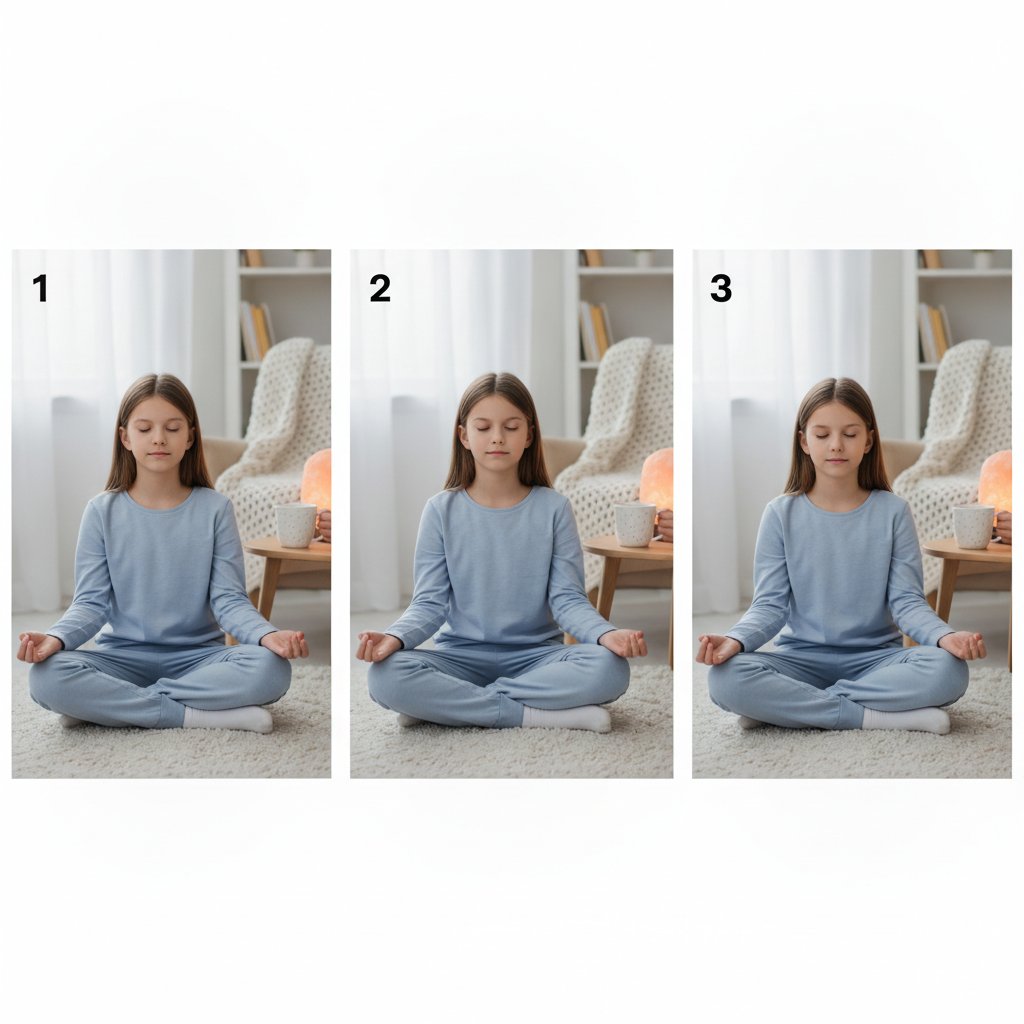
School distress doesn’t look the same for every kid. Isolating the specific trigger helps us choose the right tools instead of treating a blanket label.
| Anxiety Type | Common Behavioral Triggers | Hypnotherapeutic Objective |
|---|---|---|
| Test Anxiety | Blanking on timed quizzes, racing heart, rapid shallow breathing | Mental rehearsal, state-dependent recall, test-room desensitization |
| Separation Distress | Drop-off tears, clutching coats, morning nausea and complaints | Connection cords, sanctuary anchoring, parental bond conditioning |
| Social Phobia | Cafeteria retreat, avoidance of group work, playground withdrawal | Inner ally imagery, boundary creation, safe social rehearsal |
For the student who blanks out during timed math tests, kids test Anxiety hypnosis conditions a calm mental state the moment the paper lands face up. In trance, your child rehearses receiving the test, settling their shoulders, and retrieving answers without fear. The brain registers those vivid mental repetitions as actual history, stripping the dread away from future exams.
Broader classroom stress requires a wider scope. It addresses noisy bus rides, crowded hallways, and sudden changes in routine. Studies compiled by the Anxiety Disorders – Children and Teens (NIH) show untreated School Anxiety consistently erodes academic progress and social development. Catching the cycle early protects both.
Our 4-Stage Protocol for Addressing School Stress
We avoid generic scripts. A fourth grader obsessed with marine biology needs different imagery than a sixth grader who lives for soccer. Our team personalizes the framework to match your child’s world.
- Map the Physical Alarm: We track where fear lands in their body. For one child, it’s a tight fist in the gut; for another, an electric buzz in the chest. We give that sensation a color, weight, and shape, which turns an overwhelming ghost into something manageable.
- Build an Inner Refuge: The child designs an imaginary sanctuary while resting in trance. That could mean a private treehouse, a submarine, or an underground base with steel doors. This space gives them a secure mental base whenever School feels loud.
- Lock in Physical Anchors: We pair steady belly breaths with subtle movements, like pressing a thumb against the ring finger. Firing that physical anchor later on prompts the parasympathetic system they practiced in session.
- Future-Paced School Walks: Under hypnosis, your child mentally runs through the entire upcoming School day. They walk through the doors, grab lunch, and survive tricky classes while maintaining an even heart rate.
Mentally walking through a smooth School day during trance conditions the brain to treat mornings with steady confidence rather than raw panic. Reality feels familiar instead of threatening.
Why Hypnotherapy Works Faster Than Talk Therapy for School Fears
Adults can talk through complex emotional loops, but an eight-year-old asked about School dread usually shrugs and stares at the carpet. Hypnotherapy skips the interrogation. It works straight through sensory images and visceral reflexes, calming the alarm system without requiring a child to dissect reasons they cannot yet name.
How Parents Can Reinforce Sessions at Home
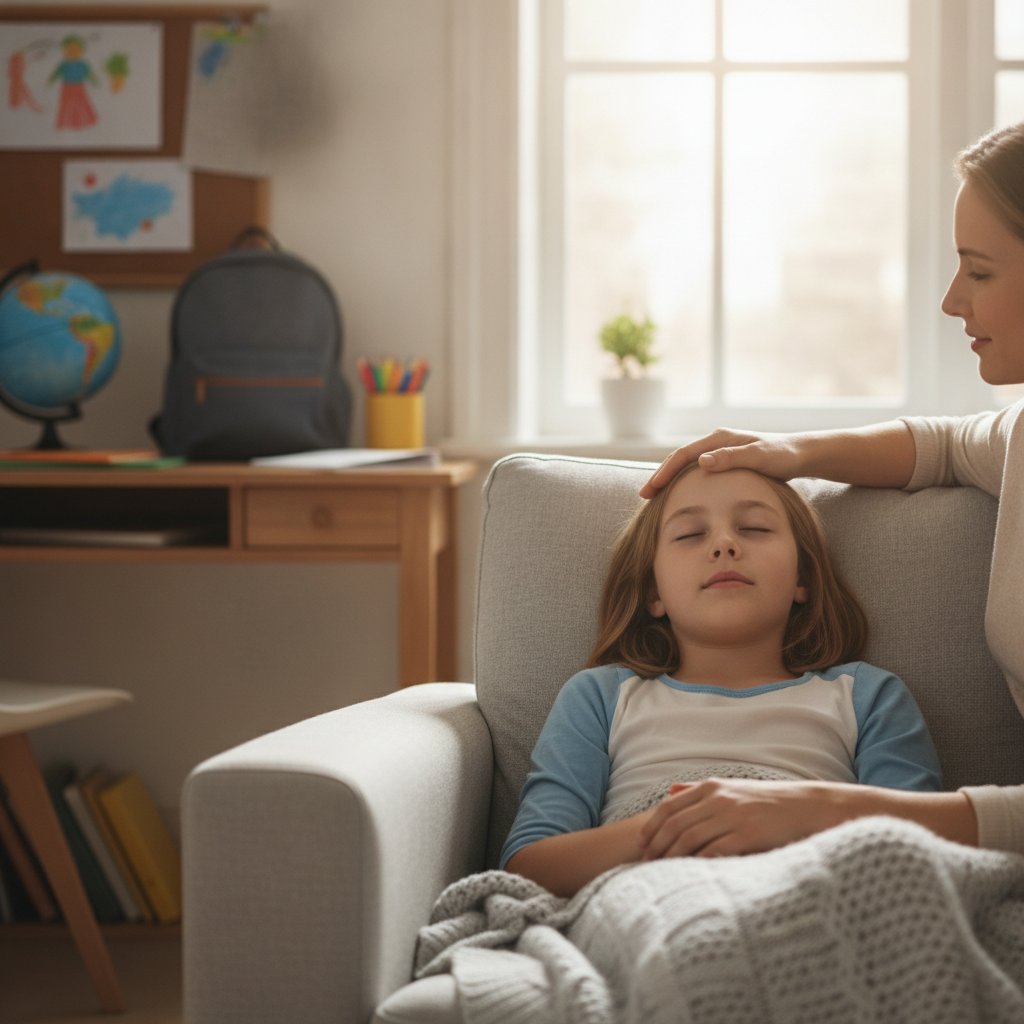
The hour spent in an office is only the foundation. What you say and do during morning routines decides whether these new neural habits stick.
Stop asking anxious questions. Asking your child if their stomach hurts or if they feel nervous trains them to scan their body for fear. Swap those nervous check-ins for steady, task-focused statements: “Shoes are tied, lunch is packed, coat is on.”
Cue their calming anchors early. Don’t wait for a full meltdown at the School gate to remind them to take their anchor breath. Practice the gesture while they work through tricky homework or hit minor frustrations during board games.
Use bedtime to your advantage. As kids drift toward sleep, their brainwaves shift into theta rhythms that look nearly identical to light hypnotic trance. Keep your voice low and offer grounded phrases: “Your body knows how to stay steady. Your desk is a safe spot tomorrow. You can handle hard moments.”
Families working through our Children’s Hypnotherapy Services receive personalized audio tracks recorded during our sessions. Playing those tracks before sleep cements the day’s progress and builds a reliable bedtime rhythm.
What Should You Expect During a Pediatric Hypnotherapy Session?
Parents often worry the room will feel sterile or intimidating. In practice, pediatric appointments look a lot like structured, imaginative play.
We spend the initial appointment building genuine trust and comfort before attempting any trance work. We ask about their pet guinea pig, their Minecraft worlds, or their favorite soccer drills. We show them how their brain already slips into hypnotic states when they get so lost in a book that they tune out the television.
Parents sit in for the early visits. Once kids realize how comfortable the process feels, they usually prefer running the imaginative work one-on-one. We always walk through observations, anchors, and home routines with you before wrapping up.
Frequently Asked Questions About Child Anxiety Hypnotherapy
Is child Anxiety Hypnotherapy safe for elementary School students?
Yes. Clinical Hypnotherapy is non-invasive, drug-free, and practical for kids six and older. Children cannot get trapped in a hypnotic state. They remain awake, hear everything around them, and can open their eyes whenever they want.
How many sessions will my child need to overcome School Anxiety?
Most children see noticeable changes within three to six sessions. Because young minds adapt rapidly to imagery without adult skepticism slowing things down, progress tends to happen much faster than in traditional adult therapies.
Can Hypnotherapy fix extreme morning School refusal?
Hypnotherapy cuts down morning refusal by settling the underlying somatic panic that fuels physical nausea, tears, and resistance. It works best when parents maintain a steady morning routine alongside coordinated communication with the classroom teacher.
Will my child be asked to relive painful School memories?
No. School stress work centers on building somatic stability and rehearsing calm responses for future classes. We do not spend sessions dissecting upsetting memories; we train the body to feel safe right now.
Help Your Child Experience Peaceful, Confident School Days
Morning tears and classroom panic do not have to define your child’s education. Help them build lasting emotional resilience with targeted, gentle Hypnotherapy.
Contact Holistic Hypno Healing
Schedule a free 30-minute consultation with Merve to discuss your child’s unique needs.