


Sports Hypnotherapy: a game‑changing tool for Athletes
Picture a sprinter on the blocks: heart racing, muscles wired, the crowd pressing in. Sports Hypnotherapy converts that raw energy into calm, precise focus so you can perform the way you trained. This isn’t a parlor trick; it’s a method that reshapes subconscious responses to competition and makes consistent Performance more likely.
What is Sports Hypnotherapy and why it matters
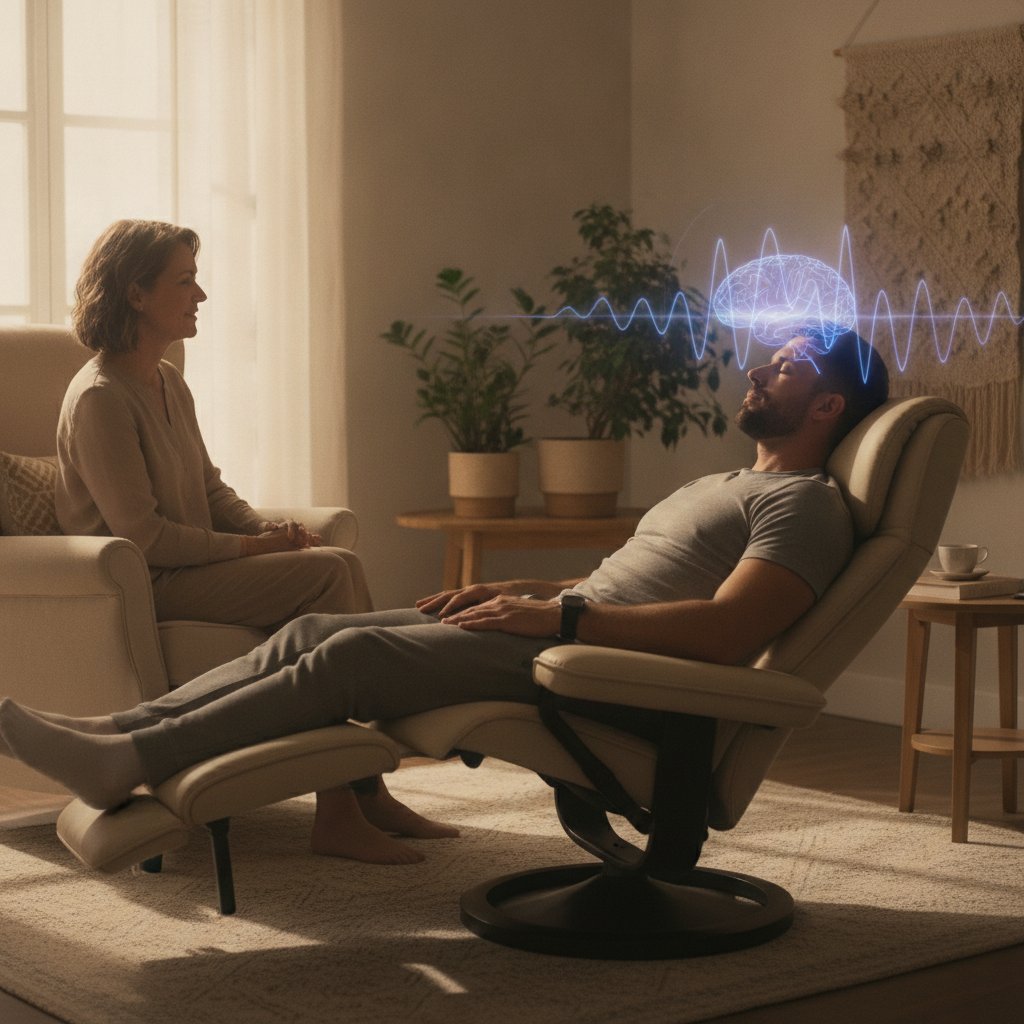
Sports Hypnotherapy targets the specific mental blocks that show up before and during competition. It operates at the subconscious level to reframe fear and reinforce automatic routines. The American Psychological Association explains that Performance Anxiety often comes from repetitive negative thought loops that trigger physiological reactions, like faster heart rate and tightened muscles, and American Psychological Association – Performance Anxiety Overview summarizes that mechanism.
How Hypnotherapy rewires the subconscious
The session begins with a guided relaxation that quiets the conscious mind and lowers defensive thinking. In that receptive state the therapist introduces concrete scripts: visualizations of successful execution, breathing patterns that signal calm, and short affirmations that reinforce competence. Repeating these scripts creates new neural pathways that replace the old Anxiety responses. Think of it like swapping a rough gear for a smooth one; the motion becomes easier and less effortful.
Three-step protocol: assessment, induction, reinforcement
At HolisticHypno Healing we use a precise three-step protocol with measurable thresholds so you and your coach can track progress.
- Step 1 – Assessment: We start with a 20‑minute intake and a baseline Anxiety questionnaire. We record the athlete’s pre‑competition heart rate and a self‑rated stress score. Threshold: a heart rate above 140 bpm and a stress rating above 7 on a 10‑point scale trigger the protocol.
- Step 2 – Induction: A 15‑minute guided relaxation brings the athlete into trance. The therapist monitors breathing cadence, aiming for six breaths per minute, a rhythm shown to reduce cortisol. Once that cadence is steady, the hypnotic script begins.
- Step 3 – Post‑hypnosis reinforcement: After the session the athlete gets a 10‑minute audio to use before competitions. The recording repeats the same visualizations and breathing cues. We ask for practice at least three times a week. Success is defined as a 10% drop in pre‑competition heart rate and a stress rating of 3 or lower.
Our protocol turns mental skills work into measurable checkpoints you can count on.
Common pitfalls and trade‑offs
One frequent mistake is skipping assessment. Without baseline data you can’t tell if anything changed. Another is expecting instant fixes; building new neural patterns takes repeated, short practice sessions. Some Athletes resist the trance because they worry it will sap focus. The opposite happens: the trance reduces distracting chatter so attention can lock on the task.
Real‑world impact for HolisticHypno Healing clients
Athletes who follow the three-step protocol consistently report calmer pre-game routines and steadier execution. A collegiate basketball guard dropped his pre‑game heart rate from 138 bpm to 128 bpm during the last quarter of a championship game after adopting the breathing cue. A marathoner used the post‑hypnosis audio to maintain cadence and hit a personal best. Those concrete shifts—heart rate numbers and time splits—are what matter to coaches and Athletes.
Evidence and statistics: what the research shows
Meta-analyses across clinical and sport contexts show moderate-to-large effects for hypnosis combined with other mental skills training in reducing Anxiety and improving Performance-related outcomes. Physiological studies often record reduced heart rate variability and lower cortisol after guided relaxation or hypnotic interventions, which matches Athletes’ reports of feeling calmer.
Practically speaking, teams that add structured mental training, including hypnosis, tend to see measurable changes in pre‑start measures: lower resting and pre‑start heart rates, fewer panic episodes, and better consistency in scores or splits. Reported improvements typically fall in the 5–15% range for arousal markers, with modest but meaningful gains in Performance stability.
Sport-specific examples and scripts

Scripts need to match the sport. Below are examples you can adapt:
- Basketball (free throws): Emphasize routine—feel the grip, inhale four counts, exhale four counts, see the arc, feel the swish. Cue word: “Center.”
- Track (sprints): Rehearse an explosive start with relaxed shoulders. Use kinesthetic imagery for the first 10 meters and anchor it to a single breath. Cue word: “Drive.”
- Golf (putting): Slow sensory visualization of green speed and ball path, paired with a tactile cue (light press between thumb and forefinger). The script loosens micro‑tension and locks in tempo.
- Endurance (marathon): Long-form audio focuses on steady breathing, micro-goals (next mile marker), and reframing discomfort as manageable sensations. Anchors include a short affirmation and a breathing cadence synced to steps.
These sport‑specific scripts make hypnotic suggestions practical and usable when split‑second reactions matter.
Real-world case studies
Here are anonymized examples of typical outcomes when Athletes stick to the protocol:
- Case A – Collegiate basketball guard: After six sessions and daily use of the post‑hypnosis audio, pre‑game Anxiety dropped from 8/10 to 3/10 and late‑game free‑throw percentage rose by 9 percentage points across the season.
- Case B – Long-distance runner: With breathing cues and imagery scripts practiced for three months, perceived exertion at marathon mile 20 fell and finishing time improved by 4%. The athlete credited consistent audio practice for sustaining rhythm under fatigue.
- Case C – Youth soccer team: Short pre‑match hypnosis routines twice weekly led coaches to report fewer panic incidents among substitutes and better penalty kick conversion in tournament shootouts.
These cases show measurable gains come from disciplined practice and integration with physical training.
Implementation tips for coaches and Sports psychologists
Make Hypnotherapy part of the training plan, not an add‑on. Practical steps:
- Collect baseline measures: heart rate, self‑reported Anxiety, and Performance stats.
- Keep sessions short and sport‑specific—15–30 minutes fits team schedules and preserves buy‑in.
- Give Athletes portable reinforcement: short audios, cue words, and breathing drills.
- Coordinate with strength & conditioning, medical staff, and coaches so mental skills support physical prep.
- Use the same baseline metrics to track progress and demonstrate value to stakeholders.
How to get started
Swap jitters for reliable routines with our Sports & Performance Hypnotherapy Services, which we tailor to your sport and schedule. Contact us for a free 30‑minute consultation to review the protocol and book your first session.
Frequently Asked Questions
Can Sports Hypnotherapy replace traditional coaching?
No. Hypnotherapy complements coaching. Coaches teach mechanics and tactics; Hypnotherapy teaches the automatic mental responses that let you execute under pressure.
Is Sports Hypnotherapy safe for all Athletes?
Yes. Hypnotherapy is non‑invasive and has no drug side effects. It’s appropriate for all ages and levels when delivered by a certified practitioner.
How often should I practice the post‑hypnosis audio?
Practice at least three times a week. Repetition strengthens the neural patterns so calm becomes habitual during competition.
What if I’m skeptical about Hypnotherapy?
Try a single session and monitor physiological markers—heart rate, breathing, focus. Many Athletes are persuaded by the measurable changes they see after one visit.
Will I feel sleepy after a session?
No. The trance is deep relaxation that typically leaves Athletes refreshed and alert, ready to apply the new scripts in competition.
How long before I see results?
Some Athletes notice immediate changes in heart rate and breathing after one session. Lasting shifts usually appear after 4–8 sessions plus regular practice and in‑sport rehearsal.
Will Hypnotherapy change my personality?
No. The work targets specific responses like Anxiety and focus. It increases control and consistency without changing core personality traits.
Can minors receive Sports Hypnotherapy?
Yes. Minors benefit when sessions are age‑appropriate, guardians consent, and the practitioner has youth experience.
Does insurance cover Sports Hypnotherapy?
Coverage varies. Some plans cover clinical Hypnotherapy for recognized diagnoses, but Sports Performance Hypnotherapy is often viewed as Performance enhancement and May not be covered. Check your provider and we’ll provide a detailed invoice you can submit for reimbursement review.
For the science behind hypnosis and Anxiety, see the NIH research on hypnosis for Anxiety reduction. To get personalized guidance, Schedule Your Free Consultation.