
First responder PTSD Hypnotherapy: A Path to Healing
Quick answer: Hypnotherapy can be an effective clinical option for First responder PTSD by reducing hyper‑arousal, lowering intrusive memories, and rebuilding sleep and function. At HolisticHypno Healing we combine stabilization, trauma‑reprocessing under trance, and integration work to help emergency workers regain control and return to duty or family life.
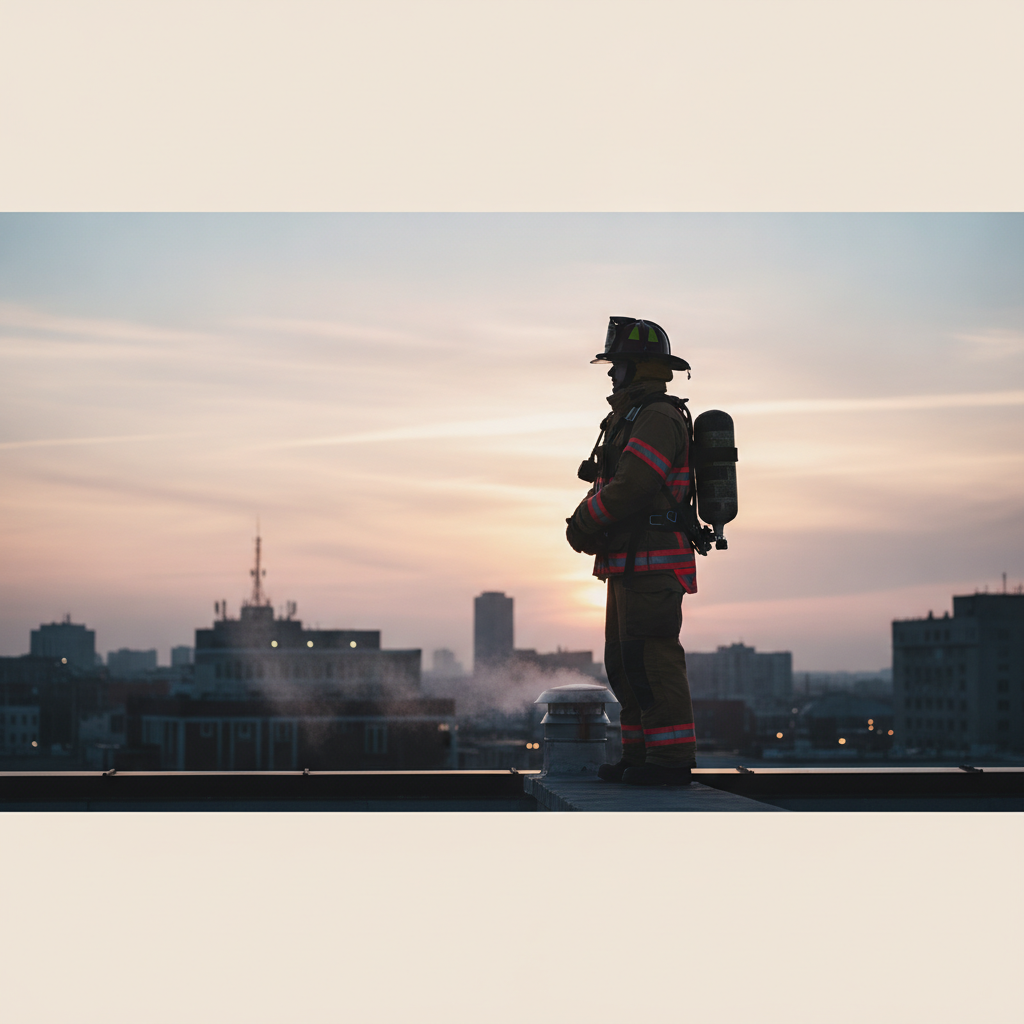
He stepped inside at 6:15 a.m., soot on his jacket, hands that wouldn’t stop trembling. The night held a dozen scenes: a flipped car, a child who didn’t survive, a partner who came home quiet. That afternoon the firefighter replayed the smells and sounds while trying to eat. He couldn’t sleep. Each siren set his body to high alert.
First responder PTSD: why Hypnotherapy helps
Police officers, EMTs and firefighters have repeat exposures that stack up differently than a single trauma. Cumulative sensory hits, moral injury and disrupted sleep push baseline arousal higher. The CDC information on mental health for First Responders documents the elevated risk and the occupational factors that slow recovery.
Hypnotherapy works on the automatic, nonverbal parts of memory that keep the body reacting as if the trauma is still happening. That lets us reduce triggers without forcing a lengthy verbal retelling that can retraumatize.
How does Hypnotherapy treat First responder PTSD?

We access subconscious associations and use guided imagery plus suggestion to re‑encode how the nervous system responds to trauma cues. In trance we down‑shift defensive reactions and give the client safer, more controllable responses to previously triggering stimuli.
From a neuroscience angle, PTSD shows up as a hyperactive amygdala, weaker prefrontal regulation and fragmented memory encoding. The National Institute of Mental Health page on PTSD lays out the symptom clusters—re‑experiencing, avoidance, negative mood and arousal—that Hypnotherapy targets by changing conditioned responses and strengthening regulation skills.
We use trance to interrupt re‑enactment and replace it with resource‑based responses, which reduces nightmares, flashbacks and startle over weeks rather than months.
What can a First responder expect in a Hypnotherapy session?
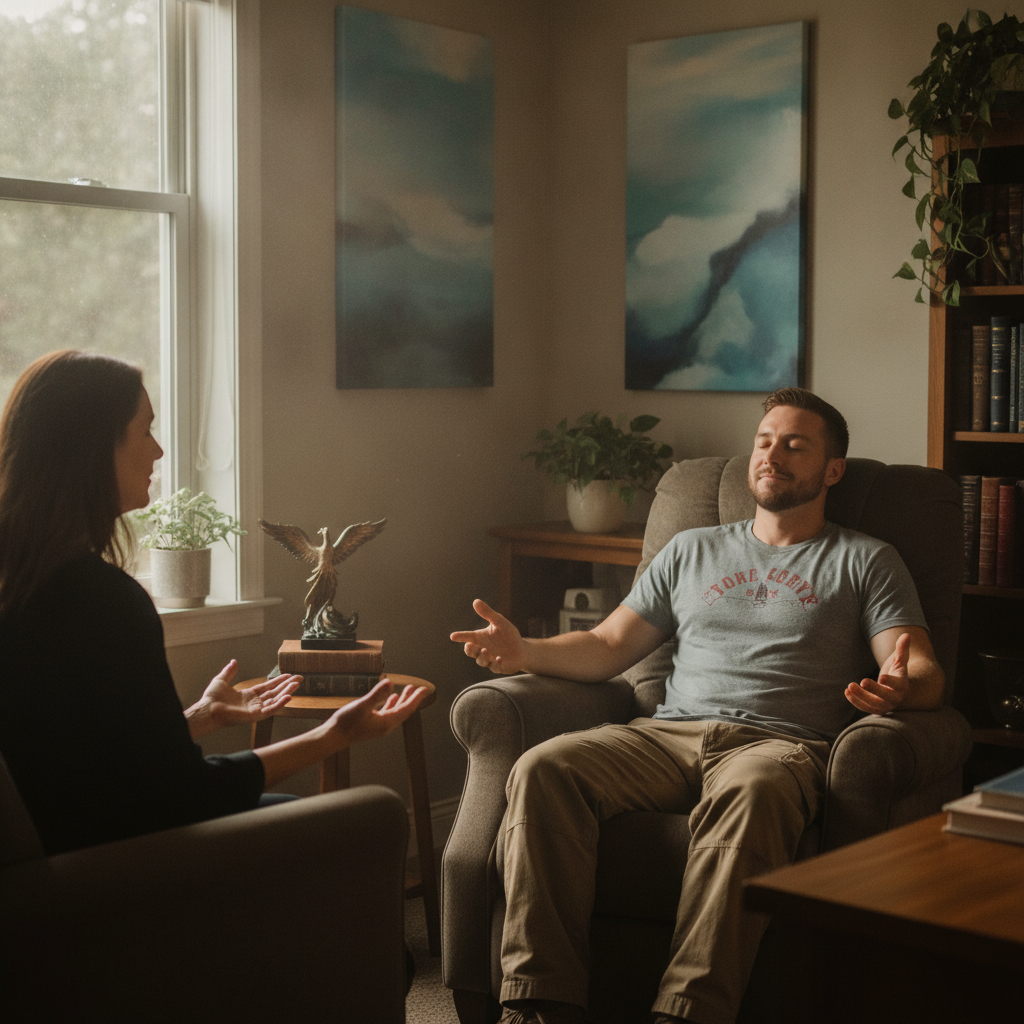
You stay aware. You control the pace. Sessions mix grounding, trance work and concrete homework you can measure.
At HolisticHypno Healing we follow a clinician‑led protocol that balances safety with progress. Below is the exact three‑step process we use with emergency workers.
The HolisticHypno three‑step protocol (practitioner settings included)
- Stabilize & assess (1 session, 60 minutes): intake, baseline symptom mapping and resource installation. Induction: progressive relaxation for 6–8 minutes. Stabilization check: client must return to grounding within three minutes after a guided recall. If they can’t, we add another stabilization session before any reprocessing.
- Trauma reprocessing (45–75 minutes per session): controlled timeline or imagery re‑script performed under trance. Induction: focused breathing and eye‑fade for 4–6 minutes. Processing window: 20–30 minutes of reframing work, then 10–15 minutes reinforcing resources. Decision rule: move to integration after three sessions showing consistent reductions in night awakenings or daily intrusive images.
- Integration & resilience (30–45 minutes): future‑pacing, rehearsal of on‑duty responses and habit change work such as sleep routines and cue management. Home practice: 10–12 minutes of audio nightly for four weeks. Follow‑up: a 30‑minute check at 2–4 weeks after the course to tweak skills.
These are the exact session lengths, induction styles and decision checks we use so you and your clinician can track real change.
Real‑world success snapshot (an anonymized composite from clinical practice)
Context: an anonymized firefighter came in with nightly panic awakenings and a growing avoidance of engine bay calls. He couldn’t sleep on the night shift and started calling in sick.
Process: over six sessions we installed a safe‑place resource, reprocessed two core sensory memories in trance and rehearsed an on‑shift grounding routine. Homework was a guided 12‑minute audio each night. After session three he had fewer nightmares. After session six he returned to regular shifts and reported a calmer body response when the tones dropped.
The outcome: subjective sleep returned and daily function improved—this is the kind of change our protocol aims for without prolonged retraumatization.
How does Hypnotherapy compare to other PTSD therapies?
Short answer: Hypnotherapy often reduces physiological reactivity quickly, while CBT and EMDR carry larger evidence bases across broader populations. Pick treatment based on symptom profile, willingness for exposure and duty demands.
| Therapy | Mechanism | Typical course | Best fit for |
|---|---|---|---|
| Hypnotherapy | Subconscious re‑encoding, resource installation | 4–12 sessions depending on reactivity | High arousal, sensory triggers, sleep disruption |
| CBT (Trauma‑focused) | Cognitive restructuring, exposure exercises | 8–16 sessions | Cognitive distortions, avoidance behaviors |
| EMDR | Bilateral stimulation with memory reprocessing | 6–12 sessions typical | Single or complex trauma where exposure is tolerable |
For evidence on PTSD symptom clusters and standard treatments see the National Institute of Mental Health page on PTSD. Use clinical judgment to match method to the duty demands and the recovery speed you need.
Trade‑off note: Hypnotherapy often gives faster reduction in physiological reactivity but needs a clinician skilled in trauma stabilization to avoid re‑triggering; CBT and EMDR have broader research support but May take longer with highly aroused First Responders.
Practical tips for emergency workers and leaders
- Start with a stabilization session if sleep disruption or dissociation is present.
- Keep treatment compact around duty schedules—our protocol fits 45–75 minute clinical windows.
- Use short nightly audios (10–12 minutes) to reinforce in‑session gains.
- Track functional markers—on‑duty performance, sleep continuity and frequency of intrusive images—rather than single symptom counts.
Leaders: make confidential, off‑shift access to care available, because occupational culture shapes whether staff will seek help early.
Frequently Asked Questions
Does Hypnotherapy work for PTSD in First Responders?
Yes. Many First Responders report reduced hyper‑arousal, fewer nightmares and better sleep after targeted Hypnotherapy. It’s one clinical option best chosen to match symptom profile and readiness for trauma processing.
Is Hypnotherapy safe?
When a clinician trained in trauma stabilization delivers it, Hypnotherapy is safe. Safety hinges on clear grounding skills and gradual pacing to prevent re‑traumatization.
How many sessions will I need?
Typical courses run 4 to 12 sessions. We review progress after three sessions and adjust based on functional recovery markers.
Will I lose control under hypnosis?
No. You remain aware and can end trance at any time. Hypnosis is a guided focus, not sleep or mind control.
Ready to take the next step?
If you want to explore whether Hypnotherapy fits your recovery plan, review our Hypnotherapy services to see how we structure care, then Schedule your free consultation to discuss an individualized plan. We offer a no‑cost 30‑minute intake to map symptoms and outline a safe course.
Make the call or message now — early, targeted work shortens time away from duty and reduces cumulative Stress.