
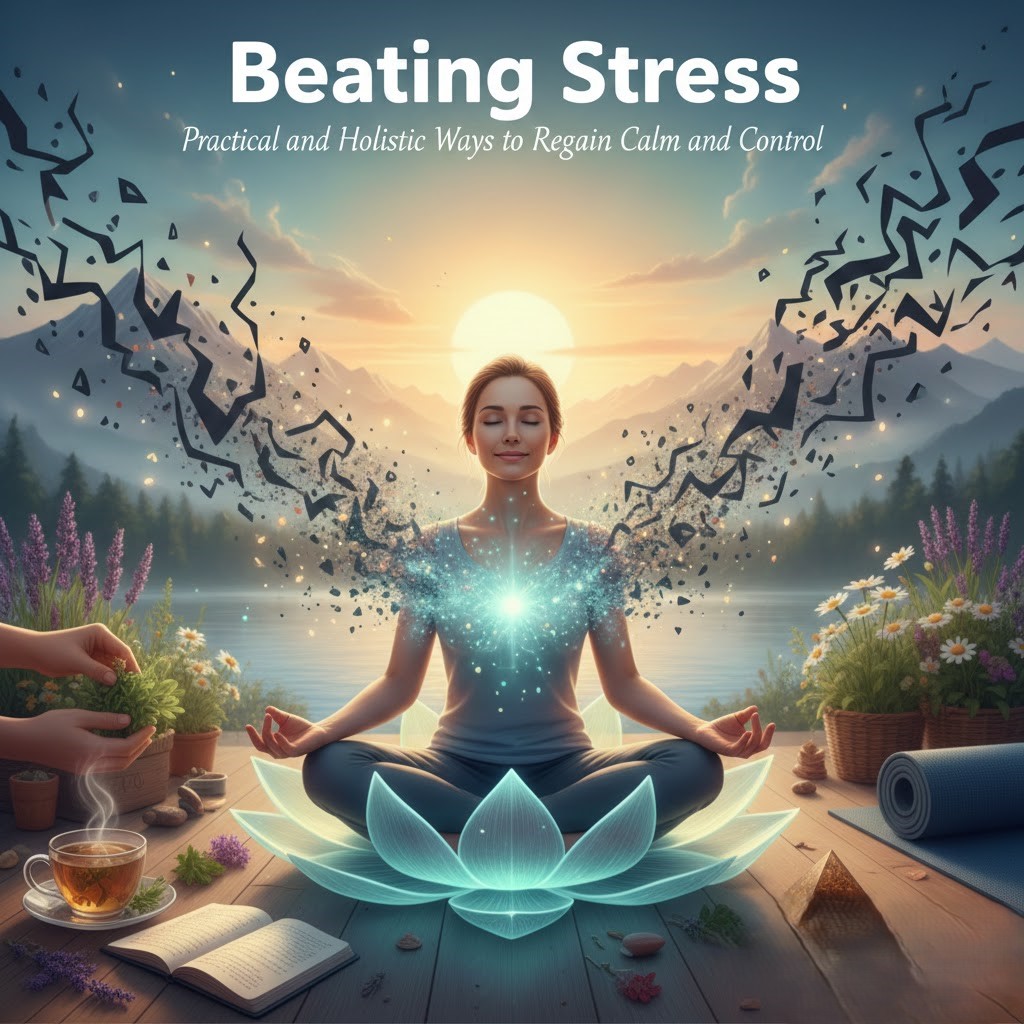
Beating stress is one of the most important skills to develop in today’s fast-paced and demanding world. From work pressure and emotional responsibilities to constant digital stimulation, stress has become a daily reality for many people. While some stress is natural, chronic stress can slowly drain your energy, peace of mind, and overall health.
The good news is that stress is not something you have to live with permanently. With awareness, supportive practices, and holistic approaches, it is possible to calm your nervous system and restore balance in your life.
Understanding What Stress Really Is
Stress is the body’s automatic response to perceived danger or pressure. When your brain senses a threat—real or imagined—it activates the fight-or-flight response. Hormones like cortisol and adrenaline flood the body, preparing you to react quickly.
This response is helpful in short bursts. However, when stress becomes chronic, the body stays in survival mode. Over time, this can lead to anxiety, irritability, exhaustion, and emotional overwhelm.
Beating stress begins with understanding that your body is not broken—it is responding to learned patterns and unresolved emotional triggers.
How Chronic Stress Affects Mind and Body
Long-term stress doesn’t just affect your mood. It impacts nearly every system in the body. Common effects include:
- Persistent anxiety or low mood
- Sleep disturbances and fatigue
- Digestive problems
- Muscle tension and headaches
- Difficulty focusing or making decisions
- Emotional numbness or irritability
Emotionally, stress can create a sense of disconnection—from yourself, your goals, and even your relationships. This is why beating stress is not just about relaxation, but about emotional healing and nervous system support.
Beating Stress Starts with Nervous System Safety
One of the most overlooked aspects of stress management is nervous system regulation. You cannot “think” your way out of stress if your body feels unsafe.
Simple practices that help signal safety to the nervous system include:
- Slow, deep breathing
- Gentle movement such as walking or stretching
- Grounding techniques (noticing sights, sounds, sensations)
- Reducing constant multitasking and screen exposure
When the nervous system calms, the mind naturally follows.
The Subconscious Roots of Stress
Many stress reactions are not caused by the present moment, but by subconscious memories and beliefs formed in the past. Experiences such as emotional neglect, criticism, failure, or trauma can teach the nervous system to stay on high alert.
Examples include:
- Fear of making mistakes
- Need for constant control or perfection
- Difficulty relaxing without guilt
- Feeling responsible for everyone else
Beating stress at a deep level requires addressing these subconscious patterns rather than just managing surface symptoms.
Holistic Methods for Beating Stress Naturally
Holistic approaches focus on healing the whole person—mind, body, and subconscious—rather than suppressing stress.
HypnoHealing and Hypnotherapy
HypnoHealing works with the subconscious mind in a deeply relaxed state. This allows stored stress responses, emotional blocks, and limiting beliefs to be gently released. Many people experience a sense of relief, clarity, and emotional lightness after sessions.
Mindfulness and Awareness
Mindfulness helps shift attention away from constant worry about the future or rumination about the past. Even a few minutes a day can reduce stress hormones and improve emotional regulation.
Emotional Expression
Unexpressed emotions often turn into stress. Journaling, guided visualization, or working with a therapist can help release emotional tension stored in the body.
Lifestyle Alignment
Adequate sleep, healthy boundaries, nourishing food, and rest are essential for beating stress. Small, consistent changes are often more effective than drastic ones.
Beating Stress in Daily Life and Work
Work and daily responsibilities are common sources of stress. Learning to pause, set boundaries, and separate self-worth from productivity is crucial.
Helpful practices include:
- Taking intentional breaks
- Saying no without over-explaining
- Prioritizing rest without guilt
- Creating moments of calm during the day
Stress does not mean you are failing—it means your system needs support.
A Gentle Reminder
Beating stress is not about becoming a calmer version of someone else. It’s about reconnecting with your natural state of balance, safety, and clarity. Healing happens gradually, with compassion and consistency.